
Ventilation: A Fundamental Requirement for Metal Buildings
 Stephan Michaels
Metal Building Ventilation
If you're considering a metal building, garage, or any steel structure, prioritizing ventilation is crucial. While it may seem secondary to other structural elements, maintaining optimal air quality is essential for the safe and enjoyable use of any enclosed space.
From harmful fumes to the risk of mold and mildew, various factors can affect your building’s air quality. Implementing the right ventilation system is one of the most effective and economical ways to ensure proper air circulation and improve overall air quality.
If you’re in the market for a metal building, this guide will provide all the insights you need to achieve effective ventilation in your structure.
Why Proper Ventilation Is Essential for Metal Buildings
Understanding the vital role of ventilation is key to ensuring the longevity and safety of your building. Beyond simply enjoying a fresh breeze, why is ventilation so critical?
1. Preventing Condensation
Condensation is a significant concern in metal buildings. Without adequate ventilation, moisture can accumulate on metal surfaces, leading to rust, corrosion, and mold growth. This moisture can also damage insulation and structural materials, compromising the safety and integrity of your building. Effective ventilation allows for air circulation, helping to lower humidity levels and prevent moisture buildup.
2. Temperature Regulation
Ventilation plays a crucial role in temperature control within your metal building. In summer, hot air can accumulate quickly, creating an uncomfortable environment and increasing reliance on air conditioning. Proper ventilation allows hot air to escape, keeping the interior cooler and reducing the need for HVAC systems. In winter, effective ventilation helps moisture escape, preventing condensation and maintaining a dry, safe environment.
3. Enhanced Air Quality
Good ventilation is essential for improving indoor air quality. Inadequate ventilation can lead to stagnant air, causing the buildup of dust, odors, and pollutants. This can create an uncomfortable atmosphere and pose health risks, especially for individuals with respiratory issues. If you use your space as a workshop, proper ventilation is vital to minimizing exposure to harmful fumes and contaminants.
4. Health Benefits
Poor indoor air quality can lead to a range of health problems, including headaches, fatigue, allergies, and respiratory issues. Ensuring adequate ventilation significantly reduces the risk of these problems, fostering a safe and healthy environment for everyone inside.
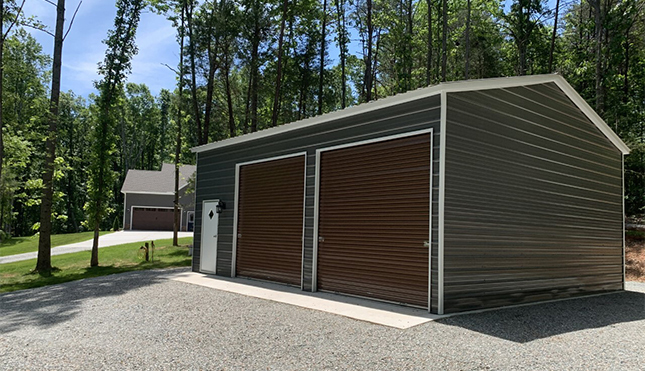
Types of Ventilation in Metal Buildings
Whether you are building a steel garage or utilizing one of our metal building kits, proper ventilation is essential. Here are several effective ventilation methods:
1. Passive Ventilation
Passive ventilation uses natural airflow without external power sources. Common methods in metal buildings include:
• Doors and Windows
Strategically placed doors and windows can create natural airflow, promoting air circulation and reducing humidity. Additionally, roof or wall vents can facilitate the escape of hot air while allowing cooler air to enter.
• Dampers
Dampers help regulate airflow in air conditioning systems by controlling the flow through ductwork, enhancing ventilation efficiency.
2. Active Ventilation
Active ventilation relies on powered systems to circulate air throughout the building. Some common active ventilation options include:
• Fans and HVAC Systems
Fans are a popular choice for active ventilation in metal buildings, ensuring a continuous flow of air by either drawing air in or pushing it out. This is particularly beneficial in hot or humid conditions, where air circulation is essential for comfort and safety.
• HVAC Systems
HVAC systems are another effective active ventilation option, providing heating, cooling, and air filtration for a comfortable indoor environment. Although they may involve higher installation and operational costs, HVAC systems offer a comprehensive ventilation solution for your steel building.
Ensuring Proper Ventilation in Your Metal Building
Wondering how to determine the right type and amount of ventilation for your building? For first-time builders, these considerations may not be immediately obvious.
As a general guideline, ventilation needs are often based on roof size, with a recommended ratio of 1 square foot of vent opening for every 150 square feet of roof area. Smaller buildings in dry climates may benefit from passive ventilation methods such as vents and windows, while larger structures housing livestock or supporting industrial activities typically require more advanced, powered ventilation systems.
By following these general guidelines, you can more easily identify the ventilation options necessary for your ideal steel building.
Ready to Build Your Metal Building? Trust the Experts at Garage Buildings.
No matter your needs, our team is here to assist you in creating a metal building that meets your requirements. Contact us today to get started on your project!
About Stephan Michaels
Stephan Michaels is the founder and owner of GarageBuildings.com, a company he started more than 25 years ago—quite literally from his own garage. What began as a small operation has grown into one of the largest tubular steel building dealerships in the United States. GarageBuildings.com remains proudly family-owned and operated, with family at the heart of its success. Stephan’s mother has served as office manager for over two decades, his sister Charlotte oversees daily sales and operations, his niece Kayla leads the accounting department, and his daughter Ellie is part of the sales team. Together, they have built a business rooted in trust, dedication, and long-standing relationships. Stephan and his team are committed to providing a transparent, positive experience for every customer and partner. Their continued growth and strong reputation are driven largely by customer referrals and the confidence people place in their work every day.